

Laser cleaning: is your part compatible?
A rusty gate, a thin panel, a precision mould and an old stone surface need different approaches. Learn which materials are candidates, what to check and what information to prepare for an assessment.

Published
Updated · 6 min read
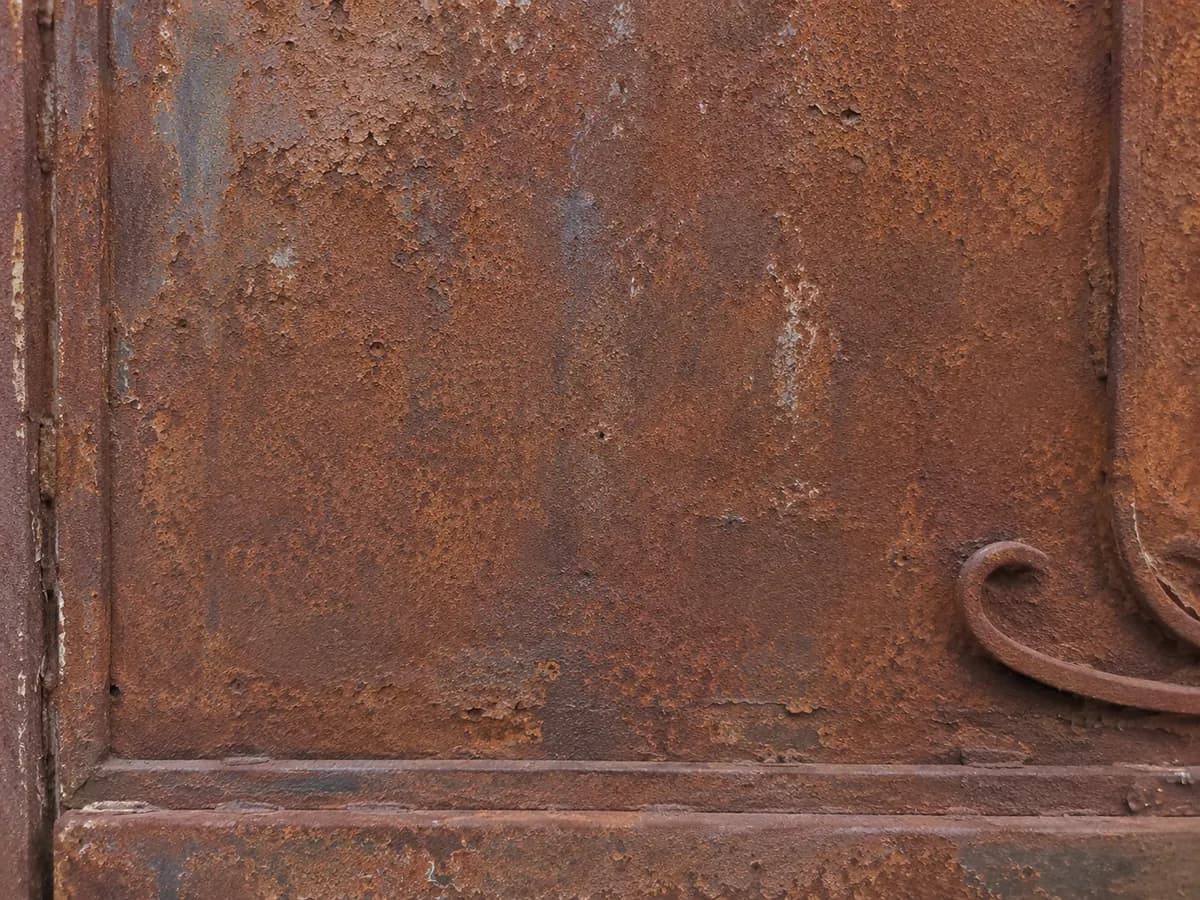
The material matters. So does its condition.
Laser cleaning can suit many metals and, under specific conditions, stone or wood. But material alone never guarantees a result: the coating, the condition of the part and the required finish must also be assessed.
A photograph can provide initial guidance. Only a technical assessment, supported by a test where necessary, can confirm feasibility.
Your initial guidance
Choose the substrate, the layer to remove and the sensitivity of your part. This tool highlights what to check with a professional.
Three answers to help guide your enquiry.
This guidance is not a diagnosis or guarantee. The table and explanations below remain useful without completing this tool.
Which materials can be laser cleaned?
These guidelines describe potential applications, not guarantees. Two parts made of the same metal can require very different settings and checks.
| Substrate | Guidance | Check |
|---|---|---|
| Steel, cast iron and wrought iron | Common application | Check corrosion depth |
| Stainless steel and aluminium | Settings to validate | Identify alloy and finish |
| Thin sheet and classic car panels | Test recommended | Monitor heat input |
| Precision moulds and tooling | Technical validation | Preserve textures and tolerances |
| Natural stone and brick | Local trial | Respect porosity and patina |
| Wood and heat-sensitive materials | Case-by-case assessment | Risk of scorching or melting |
Steel, cast iron and wrought iron
Surface rust, certain paints and deposits can be removed without projected abrasives. Localised treatment can be useful around intricate details and delicate areas.
- Deep corrosion may already have reduced the metal thickness: cleaning does not replace lost material.
- Before repainting, check the coating system’s requirements for cleanliness, roughness and residual contamination.
Stainless steel and aluminium
These metals can be treated, but their absorption and thermal response vary. Brushed, polished or decorative finishes must be included in the assessment.
- Specify the alloy, surface treatment and finish to preserve, where known.
- Highly reflective surfaces also require particular attention to beam reflections.
Thin sheet and classic car panels
The laser avoids the mechanical impact of projected abrasives. This can help with body panels, but does not remove the thermal risk: thin sheet can distort if treatment is unsuitable.
- Provide the thickness, corrosion condition and details of fillers or repairs.
- Test a discreet area or representative sample before treating the whole part.
Precision moulds and tooling
Some polymer residues, production deposits and carbonised material can be targeted. Cavities, functional edges and technical coatings require specific validation.
- Provide surface treatments, tolerances and acceptance criteria.
- A trial and, for critical applications, dimensional checks may be necessary.
Natural stone and brick
Black deposits, soot and some graffiti can be assessed for cleaning. Limestone, sandstone, granite and brick do not all respond in the same way.
- Identify the stone and highlight loose surfaces, fragile joints or moisture.
- On heritage elements, preserve patinas and finishes: whiter stone is not necessarily better conserved.
Wood and heat-sensitive materials
Wood species, moisture and finishes affect the response. Plastics, foams and composites need precise identification; another method may be preferable.
- Excessive energy can scorch or char wood, or soften and deform certain polymers.
- Do not begin treatment on unidentified materials or coatings.
See the result. Understand its limits.
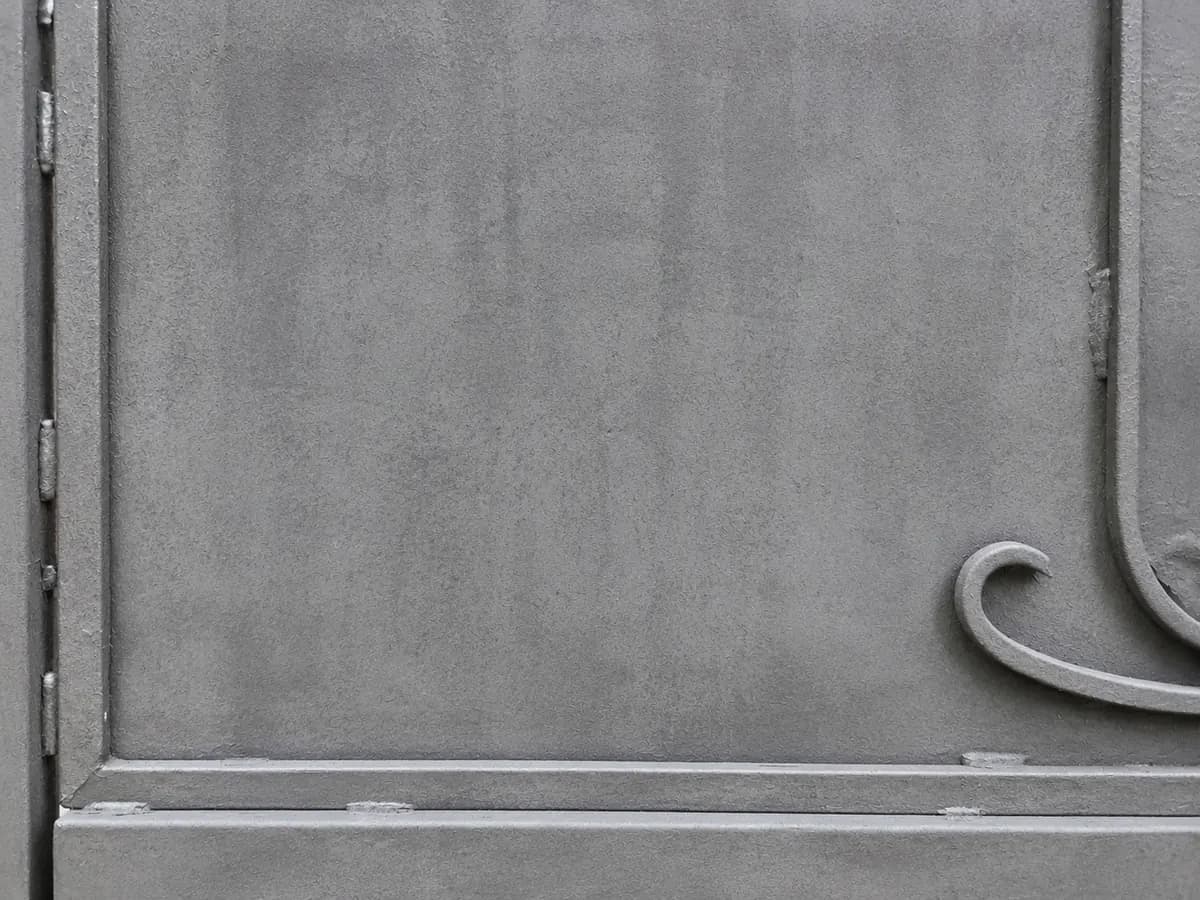
Cleaned metal can retain pits left by corrosion. Stripping removes corrosion products; it does not repair a loss of section or structural weakness.
Explore Raynovation Laser projectsHow can a coating be removed without damaging what lies beneath?
Laser cleaning relies on the interaction between a beam and a surface layer. The layer may detach, fragment or be removed by ablation. The aim is to find a processing window: enough energy to remove the deposit while limiting changes to the substrate.
This window is not automatic. It depends on the substrate–coating combination, the laser and its settings. Excessive passes or energy can change the appearance, roughness or integrity of the surface.
Understand the principle of laser ablationWhen is a closer assessment needed?
Unknown or potentially hazardous coatings
Old paint may contain lead; industrial coatings may generate harmful emissions. Identification and risk assessment come before selecting the process.
Fragile, damp or highly reflective surfaces
Friable stone, corroded sheet or a mirror finish require particular assessment. The colour of a coating alone does not predict its response to laser treatment.
Large areas or thick coatings
Technical feasibility does not guarantee cost effectiveness. Passes, access and site protection may make another method more suitable.
Laser, abrasive blasting or chemical stripping?
The right choice depends on the finish, surface area and overall site constraints.
| Your priority | What to compare |
|---|---|
| Precise, localised cleaning | Laser treatment can be useful without projected abrasives. Validate settings and the resulting surface. |
| Stripping a large area | Compare throughput and overall cost with abrasive or gentle media blasting. |
| A sensitive finish or substrate | Check laser heat effects, abrasive mechanical action and chemical stripper compatibility. |
| Preparation before painting | Check the coating manufacturer’s requirements: a visually clean surface may not be enough. |
These details make your enquiry more useful.
Prepare a few photographs and the information available to you. You do not need every technical term: simply highlight what is uncertain.
What happens next?
Raynovation Laser reviews these details, identifies checks and may propose a trial. Demonstration terms are agreed for the project; the advertised offer is a demonstration free of charge subject to a subsequent confirmed order. On-site work depends on accessibility and making the surrounding area safe.
Based in Beauvais, Oise, the company primarily serves Hauts-de-France, Île-de-France and Normandy. Nationwide work is considered on quotation.
Explore service areasFrequently asked questions
Which materials can be laser cleaned?
Steel, cast iron, wrought iron, stainless steel and aluminium are potential candidates. Some stone, brick and wooden parts can also be assessed. Suitability always depends on the coating, substrate condition and required finish.
Can laser cleaning distort thin sheet metal?
Yes. Heating is still possible without projected abrasives. Thickness, settings and passes affect the risk. A representative trial is recommended before treating a complete body panel or sensitive sheet.
Can a laser remove deep rust?
It can remove accessible corrosion products, but cannot replace missing metal. Pitted, perforated or weakened parts may need repair or replacement regardless of cleaning.
Is a photograph enough to confirm suitability?
A photo helps guide the assessment, but may not reveal the alloy, coating composition or substrate weakness. Depending on the project, additional information, inspection or testing is necessary.
Can a laser remove lead paint?
This coating requires specific risk assessment and prevention measures suited to emissions and waste. Laser treatment is not automatically safe: feasibility must be assessed before work starts.
Is a laser-cleaned part ready to paint?
Not always. The finish may require specific cleanliness, roughness and residual contamination criteria. ISO 8501-1 grades Sa 2½ and Sa 3 relate to abrasive blast cleaning and do not automatically apply to laser cleaning.
Does the part have to be moved to a workshop?
Not always. On-site work may be possible for large parts or fixed elements. Access, equipment protection and securing the area determine whether treatment on location is feasible.
Your part deserves an appropriate answer.
Describe the substrate, the layer you want removed and your required finish. These details help with an initial assessment of your project.

